Introduction
It all started when I found myself constantly checking the Olympic hockey schedule, trying to plan my days around the games while still maintaining my regular routine. The back-and-forth between watching matches and getting out for fresh air had me thinking about what I was wearing on my feet more than I ever had before. My usual sneakers just weren’t cutting it for the long walks I’d take between games, and I began noticing how my footwear was affecting my entire experience of the season. The Olympic hockey schedule had become this central organizing principle in my life, and I realized I needed shoes that could keep up with the varied demands of my days.
Real-life Context
Living in the city during Olympic season creates this interesting rhythm where you’re constantly transitioning between indoor and outdoor spaces. I’d spend hours watching hockey matches, then feel this immediate need to get outside and move around afterward. The contrast between the intense focus of the games and the freedom of city walks became something I looked forward to each day. My usual route would take me from my apartment to various cafes where I’d catch up on work between games, then to friends’ places to watch matches together, and finally through parks and along city streets as I processed the day’s events. These weren’t strenuous hikes by any means, but they involved enough varied terrain—from smooth pavements to gravel paths to occasional grassy areas—that I started paying attention to how my shoes performed across these different surfaces.
The timing of the Olympic hockey schedule meant I was often out during different parts of the day, experiencing everything from morning dew on park benches to afternoon heat on city asphalt. I’d find myself walking several kilometers between games without really planning it, just following the natural flow of the day. What began as simple transportation between viewing locations turned into these meaningful interludes where I could reflect on the games I’d just watched and anticipate the ones coming up. The physical movement became intertwined with the mental processing of the tournament’s unfolding narrative.
During one particularly packed day of back-to-back games, I noticed how my feet were starting to feel the cumulative effect of all this walking. It wasn’t pain exactly, but more this persistent awareness of my footwear’s limitations. The shoes I’d been wearing were fine for short distances but lacked the support needed for the extended urban exploration I’d unconsciously incorporated into my Olympic viewing routine. I started paying attention to other people’s footwear during my walks, noticing what types of shoes seemed to wok well for the kind of city living I was doing.
Observation
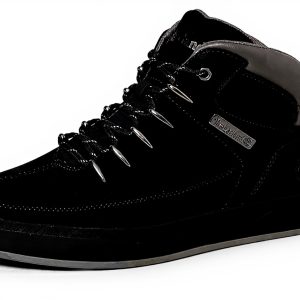
The first thing I noticed when I switched to different footwear was how the Nubuck leather upper material held up against the varied elements of city life. Morning dew on park benches no longer concerned me, and the occasional unexpected rain shower became something I could walk through rather than avoid. The material had this way of looking appropriate whether I was heading to a casual viewing party or taking a long walk through the city’s green spaces. What surprised me was how the shoes seemed to bridge that gap between sporty functionality and urban style without leaning too heavily in either direction.
What really stood out during those long walks between games was how the breathable textile lining managed moisture throughout the day. I’d start with early morning walks to clear my head before the day’s first match, continue with midday errands, and finish with evening strolls after the final game—all without that damp, uncomfortable feeling I’d experienced with other shoes. The rubber outsole with its Timberland Tree Logo provided consistent grip whether I was navigating slick city crosswalks after a brief rain or climbing the gentle inclines of urban parks. I found myself taking slightly different routes, exploring areas I might have avoided before because of uncertain footing.
The weight and dimensions of the shoes—about 500 grams with measurements of 30 x 20 x 5 cm—created this interesting balance between substantial presence and practical lightness. They felt secure on my feet without being cumbersome during long walking sessions. I particularly appreciated this during days when the Olympic hockey schedule had me moving between different viewing locations throughout the city. The shoes became this reliable constant amid the changing backdrop of games and locations.
I began to notice small details about how the shoes performed in different urban scenarios. The way they handled transitions from pavement to grass to gravel paths reminded me of how the Olympic hockey games themselves transition between periods—smooth but definite shifts in rhythm and terrain. The reliable footing allowed me to focus more on my surroundings and less on where I was stepping, which somehow made the hockey games feel more integrated into my daily life rather than separate events I was scheduling around.
Reflection
I didn’t realize at the time how much the right footwear would change my experience of the Olympic hockey season. What began as a practical consideration—needing comfortable shoes for walking between games—evolved into something that fundamentally altered how I moved through the city and engaged with the tournament. The shoes became this physical representation of balance between scheduled events and spontaneous exploration, between focused viewing and mindful movement.
There was something about the way these shoes performed across different urban environments that mirrored how I was learning to move between the intense focus of hockey games and the reflective space of city walks. The reliable grip on various surfaces paralleled the way I was finding my footing between the structured timing of the Olympic hockey schedule and the fluidity of daily life. I started seeing these walks not as transitions between events but as integral parts of my Olympic experience.
The durability of the construction began to symbolize something larger about how we approach sustained interests and routines. Just as the shoes maintained their integrity through repeated use across varied conditions, I found myself developing deeper appreciation for the hockey tournament through consistent engagement across its entire schedule. The physical reliability of my footwear somehow supported a more meaningful connection to the games themselves.
I thought about how we often underestimate the role of physical comfort in our enjoyment of experiences we consider primarily mental or emotional. The Olympic hockey schedule provided the structure, but it was the simple act of comfortable walking between games that allowed me to fully absorb and reflect on what I was watching. The shoes facilitated this integration rather than just enabling transportation between locations.
What struck me most was how something as practical as footwear could influence something as immersive as sports viewing. The comfort and reliability allowed me to be more present during both the games and the spaces between them. I stopped thinking about my feet and started thinking more deeply about the plays I’d witnessed, the strategies unfolding, and the athletes’ performances. The physical foundation supported the mental engagement.
Conclusion
Looking back on that Olympic hockey season, I realize how much the right footwear shaped my experience in ways I never anticipated. The games themselves were thrilling, of course, but it was the integration of those games into the rhythm of my daily life through comfortable urban exploration that made the season memorable. The shoes supported this integration physically, while the Olympic hockey schedule provided the temporal structure that made everything cohere.
The combination of durable materials, reliable grip, and comfortable fit created conditions where I could fully engage with both the scheduled events and the spontaneous moments between them. I learned that sometimes the things we consider supporting players—like footwear during a sports tournament—can actually become central to how we experience and remember significant periods in our lives.
That season taught me to pay attention to how the practical elements of our lives support our engagement with the things that matter to us. The Olympic hockey schedule gave me reason to be out and about, but it was the right footwear that allowed me to be fully present throughout the experience. The games have ended, but the understanding remains: sometimes the most meaningful support comes from the most practical foundations.
Now when I look at my well-worn shoes, I don’t just see footwear—I see reminders of how physical comfort can enable deeper engagement, how reliable equipment can support meaningful experiences, and how sometimes the things we walk in can change how we walk through life. The Olympic hockey schedule may come around only every few years, but the lessons about balancing structure and spontaneity, about how physical comfort supports mental engagement—those stay with me every day.